Kailash Mansarovar Yatra Guide
Divine Journey to the Abode of Lord Shiva
About the Destination
About Kailash Mansarovar
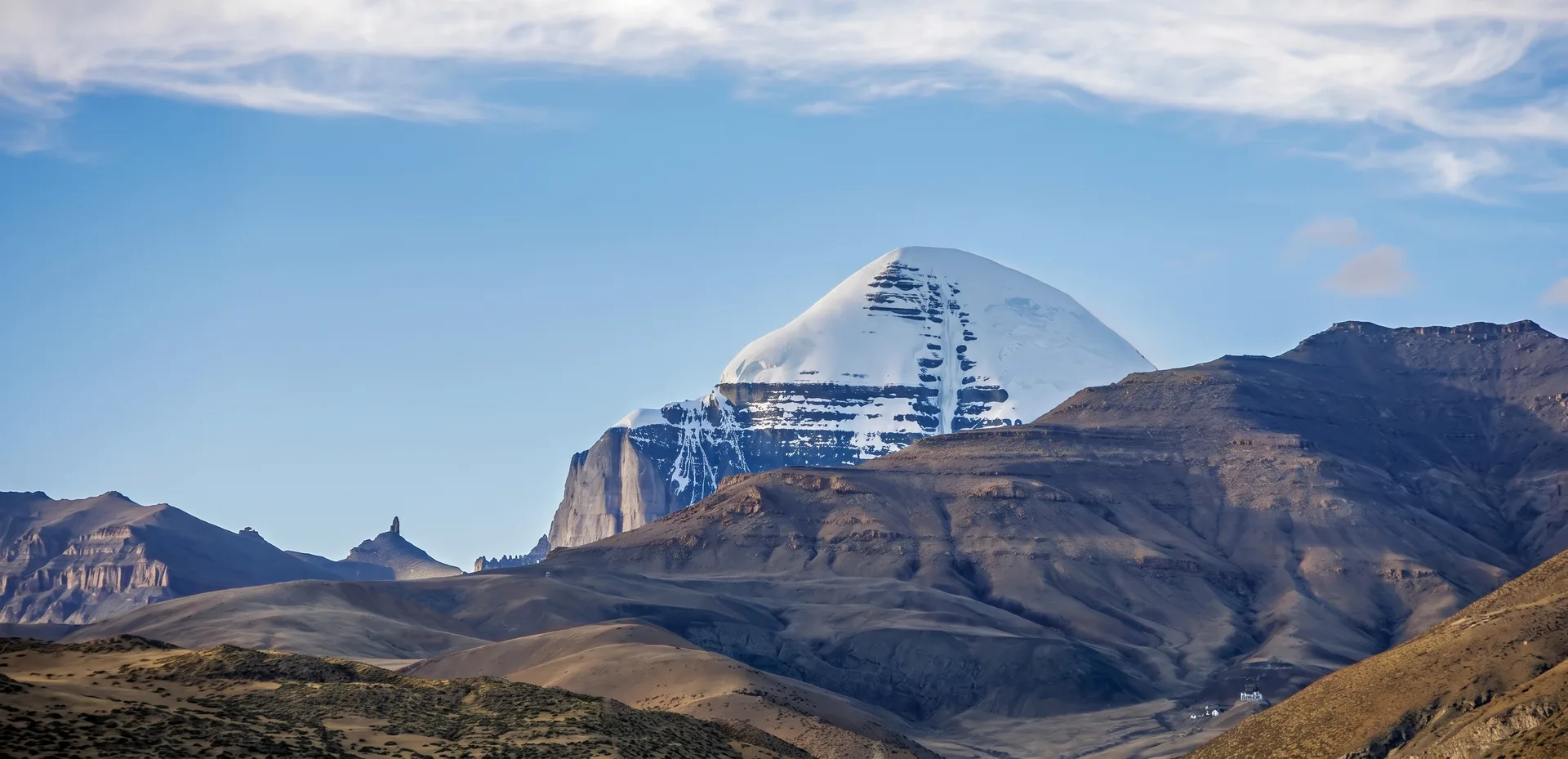
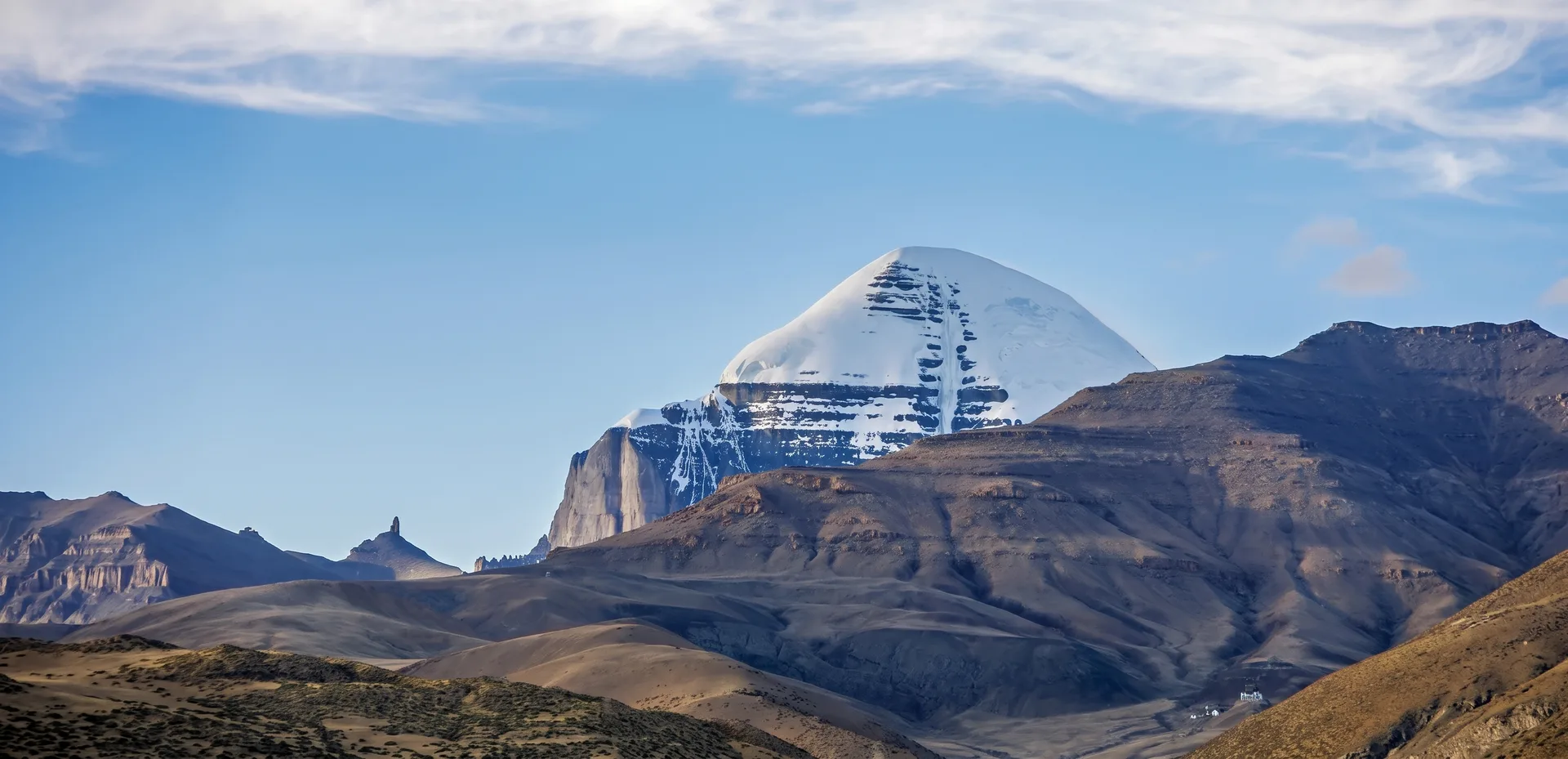
The Kailash Mansarovar Yatra is one of the most sacred pilgrimages in the world, attracting thousands of devotees, spiritual seekers, and adventure travelers every year. Located in the remote Tibetan Autonomous Region of China, Mount Kailash is revered in Hinduism, Buddhism, Jainism, and Bon as a divine mountain, while the pristine Lake Mansarovar is believed to cleanse the soul and wash away past sins. This Kailash Mansarovar Yatra Guide provides everything you need to plan a safe, comfortable, and spiritually fulfilling journey.
From understanding the best time to visit and choosing the right route to preparing for high-altitude conditions, permits, packing essentials, and travel tips, proper planning is essential for a successful pilgrimage. The yatra involves traveling through breathtaking Himalayan landscapes, crossing high mountain passes, and completing the sacred Kailash Parikrama, making it both a physical challenge and a deeply rewarding spiritual experience.
Whether you are traveling through the Lipulekh Pass, Nathu La Pass, or Nepal route, this guide will help you understand the complete itinerary, estimated costs, required documents, health precautions, and important travel advice. Read on to discover everything you need to know before embarking on the unforgettable Kailash Mansarovar Yatra and make your pilgrimage truly memorable.
Ancient Origins
History & Mythology
For Hindus, Mount Kailash is the abode of Lord Shiva and Goddess Parvati, and Lake Mansarovar is said to have been created from the mind of Lord Brahma — its name comes from manas (mind) and sarovar (lake). Bathing in its waters and walking around the mountain have been part of Hindu pilgrimage for centuries.
The mountain is sacred to four faiths. Buddhists revere it as the home of Demchok (Chakrasamvara), Jains honour it as Ashtapad, where the first Tirthankara, Rishabhdev, attained liberation, and followers of Bon, the pre-Buddhist religion of Tibet, regard it as the seat of spiritual power. No one has ever climbed the peak; out of respect it has been left untouched.
Four great rivers of Asia — the Indus, the Sutlej, the Brahmaputra and the Karnali — rise near Kailash, which is one reason ancient texts describe it as the centre of the world.
What Makes It Special
Highlights of Kailash Mansarovar
Darshan of Mount Kailash
The 6,638 m peak, revered as the abode of Lord Shiva, rises above the Tibetan plateau. Its north face, seen from Dirapuk, is the most moving sight of the yatra.
Holy dip in Lake Mansarovar
At about 4,590 m, Mansarovar is one of the highest freshwater lakes in the world. Pilgrims bathe, perform puja and collect its water to take home.
Kailash parikrama
The 52 km walk around the mountain, usually completed in three days, is believed to wash away the sins of a lifetime.
Crossing Dolma La
The highest point of the parikrama, at about 5,630 m, is marked by prayer flags and offerings left by pilgrims.
Sacred to four faiths
Hindus, Buddhists, Jains and followers of Bon all walk the same path around the mountain, each in their own tradition.
Mansarovar parikrama
The circuit of the lake, usually made by vehicle, passes monasteries, bathing ghats and views of Kailash across the water.
Must-Visit Shrines
Temples & Sacred Places
Mount Kailash
The sacred peak itself is the centre of the yatra. Pilgrims do not climb it; they walk around it in the parikrama and offer prayers at its base.
Lake Mansarovar
The holy lake at the foot of Kailash, where pilgrims take a ritual bath and perform puja and havan on its shore.
Chiu Gompa
A small monastery on a hill above the shore of Mansarovar, with views across the lake to Mount Kailash.
Dirapuk Gompa
The monastery at the first night halt of the parikrama, facing the north face of Kailash.
Zuthulphuk Gompa
The monastery at the second night halt, built around a cave associated with the Tibetan saint Milarepa.
Gauri Kund
A small emerald lake just below Dolma La, associated with Goddess Parvati, which pilgrims see on the descent from the pass.
Experiences & Activities
Things to Do in Kailash Mansarovar
Bathe and pray at Mansarovar
Take a holy dip in the lake, perform puja or havan on its shore, and fill a bottle of its water to carry home.
Complete the Kailash parikrama
Walk the 52 km circuit from Darchen over three days. Ponies and porters can be hired for those who need help.
Circle Lake Mansarovar
Drive around the lake, stopping at monasteries and bathing points along the shore.
See Rakshas Tal
Visit the salt-water lake beside Mansarovar, which tradition links with Ravana’s penance.
Pass through Yam Dwar
Walk through the ceremonial gateway near the start of the parikrama, which pilgrims pass before beginning the circuit.
Watch Kailash at sunrise
Wake early at Dirapuk to see the first light turn the north face of the mountain gold.
Must-Try Cuisine
Local Food in Kailash Mansarovar
Simple vegetarian meals
Organised yatras serve Indian vegetarian food — dal, rice, roti and sabzi — prepared by the tour kitchen along the route.
Thukpa
A warming Tibetan noodle soup served in Darchen and in guesthouses along the way.
Butter tea
Salted Tibetan tea made with butter, offered in monasteries and homes. It helps with the cold and dry air.
Travel Information
How to Reach
By Air
Tribhuvan International Airport, Kathmandu
By Train
No railway — travel via Kathmandu, Nepal
By Road
Kathmandu → Kerung → Saga → Mansarovar
Essential Guide
Travel Tips & Advice
Get a medical check-up first.
The yatra stays above 4,500 m for days. See your doctor before booking, especially if you have heart, blood-pressure or breathing problems.
Acclimatise slowly.
Good itineraries build in rest days on the way up. Walk slowly, drink plenty of water and avoid alcohol.
Keep your passport valid.
Indian passport holders need a passport valid for at least six months. For private tours through Nepal, the operator arranges the Chinese group visa and Tibet Travel Permit.
Book early.
The season is short and group permits take time to process, so plan several months ahead.
Carry warm layers.
Days can be mild but nights drop below freezing even in summer. Pack thermals, a down jacket, gloves, a woollen cap and a rain shell.
Train before you go.
Walk regularly for a few months before the yatra so the parikrama days feel manageable.
Carry cash.
Ponies, porters and small purchases in Tibet are paid in Chinese yuan, and card payments are rarely accepted.
Expect limited connectivity.
Phone networks are patchy on the parikrama, so tell your family your itinerary before you set out.
Explore the Region
Nearby Places
Rakshas Tal
BESIDE MANSAROVARA salt-water lake separated from Mansarovar by a narrow strip of land, linked in tradition with Ravana.
Darchen
BASE OF KAILASHThe small town at the foot of the mountain where the parikrama begins and ends.
Tirthapuri
ON THE KAILASH CIRCUITHot springs and a monastery that pilgrims traditionally visit after completing the Kailash parikrama.
Purang (Taklakot)
NEAR THE NEPAL BORDERThe border town on the Hilsa route, where pilgrims coming through western Nepal enter Tibet.
FAQ
Frequently Asked Questions
Ready to visit Kailash Mansarovar?
Let us plan your perfect pilgrimage
Watch: Kailash Mansarovar Yatra
Mount Kailash and Mansarovar Lake on the Kailash Mansarovar Yatra, a once-in-a-lifetime pilgrimage.