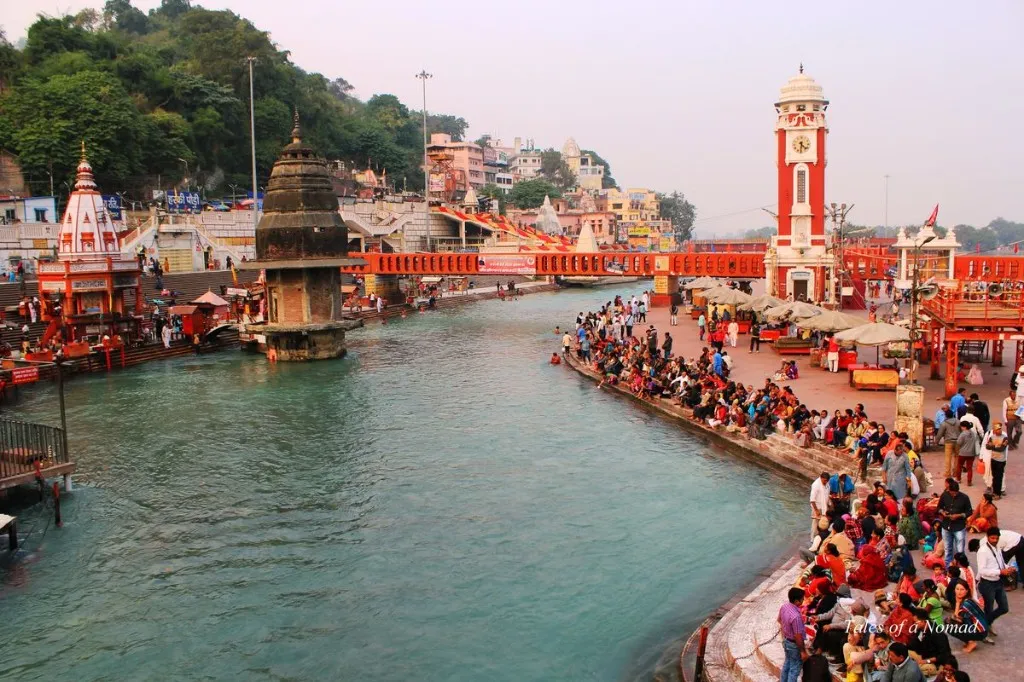
Many families bring Dadi, Nanaji and the grandchildren to the Kumbh. With the right snan day, a room close to the water and a few habits, the trip is very manageable. Here is how.
For many families the Kumbh is a promise made to a parent years ago, and the whole family goes together: grandparents, parents and small children. It is entirely possible to do it safely and comfortably. It just needs a little more planning than a trip for young adults, and most of that planning comes down to three choices: which day, where to stay, and how the group stays together.
1. Choose the Right Snan Day
The single biggest decision is the date. The three Amrit (Shahi) Snan mornings draw the largest crowds of the whole mela, roads close the night before, and everyone walks several kilometres. For seniors and small children we strongly suggest an ordinary snan day instead. The river is the same and the atmosphere is still wonderful, with a fraction of the crowd.
- Haridwar 2027: the February and April snan days, or a plain weekday between two snans. Avoid 6 and 8 March and 14 April if mobility is a concern. Kumbh Mela in Haridwar: snan dates and camps.
- Nashik 2027: the smaller parvani snans between August and September are far calmer than the three Amrit Snans. Nashik guide.
- Ujjain 2028: any regular day, very early in the morning before the heat. Ujjain guide.
2. Match the Mela to Your Family's Health
Each of the next three Kumbh Melas has a very different season, and that matters more for seniors and children than for anyone else.
| Mela | Season | What to watch for |
|---|---|---|
| Haridwar (Jan–Apr 2027) | Winter into spring | Cold river and early-morning wind in January and February |
| Nashik (Aug–Sep 2027) | Monsoon | Slippery ghat steps, rain, faster river after heavy rain upstream |
| Ujjain (Mar–May 2028) | Summer | Heat above 40°C by late morning; dehydration and heatstroke |
If a parent has a heart or breathing condition, speak to their doctor before the trip about a cold-water dip, long walks and, in Ujjain, the heat.
3. Stay Close to the Water, Not Just Close to the City
On busy days vehicles are stopped well outside the mela area. "Near the city centre" can still mean a long walk. For older travellers, look for:
- A room within walking distance of a quieter ghat, rather than the main one.
- A ground-floor room or a building with a lift.
- Hot water early in the morning, and in Haridwar, proper heating and heavy blankets.
- A host who knows which roads will be closed tomorrow.
Homestays and riverside hotels often suit families better than large tent cities, which involve more walking on uneven ground.
4. Never Get Separated: The Family Plan
Families get separated at every Kumbh. The mela administration runs khoya-paya (lost and found) centres across the mela area, and they are very good at reuniting people, but it is far better not to need them.
- Fix a meeting point before you walk into any crowd: a temple gate, a clock tower, a large hoarding. Show it to the children.
- Put a contact card in every pocket. Name, two phone numbers and your hotel name, for every child and every senior. For small children, a wristband with a phone number works well.
- Dress the group alike. One bright colour of cap or scarf makes your group easy to spot.
- Photograph everyone each morning, so you have a picture of what they are wearing that day.
- Walk in pairs, with each adult responsible for one named child or senior.
5. At the Ghat
- Use only the ghats the administration has opened, and bathe where there are chains and water police.
- Seniors should hold the chain and go no deeper than knee or waist height; one adult stays dry on the steps with the bags.
- Keep children within arm's reach the whole time.
- Go very early, or leave it until the afternoon when the morning rush has passed.
- Bring a full dry change of clothes and a towel; a cold, wet walk back is what tires older people most.
6. What to Pack
- All regular medicines for the whole trip, plus copies of prescriptions.
- Walking sticks or a folding stool for seniors who tire quickly.
- ORS sachets, a refillable bottle and simple snacks.
- Season-specific clothing: thermals and a woollen cap for Haridwar in winter, a poncho and grippy footwear for Nashik in the monsoon, a cap, sunglasses and loose cotton for Ujjain in summer.
- A charged power bank and photocopies of every traveller's ID.
Our pilgrimage packing list covers the rest.
7. Ask for Help Early
The mela area has medical camps, drinking water points and police help desks. If a parent feels dizzy, cold or confused, stop, sit them down and get help straight away rather than pushing on. In Ujjain's heat, dizziness and confusion are early signs of heatstroke.
If you would like us to handle the planning, tell us who is travelling and we will suggest a snan day, a room close to a quieter ghat and transport that suits the group. Start from our Kumbh Mela 2027–2028 page.
FAQs
Which day is best for elderly people at the Kumbh Mela?+
An ordinary snan day, not one of the three Amrit (Shahi) Snans. Go very early in the morning and bathe at a quieter ghat.
What should I do if a family member gets lost at the Kumbh?+
Go to your agreed meeting point first. If they are not there, go to the nearest khoya-paya (lost and found) centre or police help desk; announcements are made across the mela area.
Is the Kumbh Mela safe for small children?+
Yes, with planning. Keep children within arm's reach at the ghats, give each child a contact card or wristband, and avoid the Amrit Snan days.
Which Kumbh is easiest for senior citizens?+
It depends on health. Haridwar is cold in January and February, Nashik is in the monsoon, and Ujjain is very hot in April and May. Choose the season your parents handle best.
Share this article