For many families the puja matters as much as the dip. Here are the rituals most often performed at the Kumbh, what each involves and where it is done in Haridwar, Nashik and Ujjain.
For a lot of families the Kumbh is not only about the bath. It is a chance to perform rituals at a tirtha, with a pandit who has done them on the same ghats for years: a sankalp before the dip, a puja for the river, rites for ancestors, or an abhishek at a Jyotirlinga. This guide explains the rituals people most often ask us about and where each is traditionally done.
Snan Sankalp: The Intention Before the Dip
A sankalp is a short statement of intention, recited before the bath. The pandit names the place, the date by the Hindu calendar, your gotra and the purpose of the snan, and you repeat after him with water, flowers and rice in your hand. It takes a few minutes and turns the bath into a ritual act. Many families also take a sankalp on behalf of a relative who could not travel.
River Puja: Ganga, Godavari or Shipra Pujan
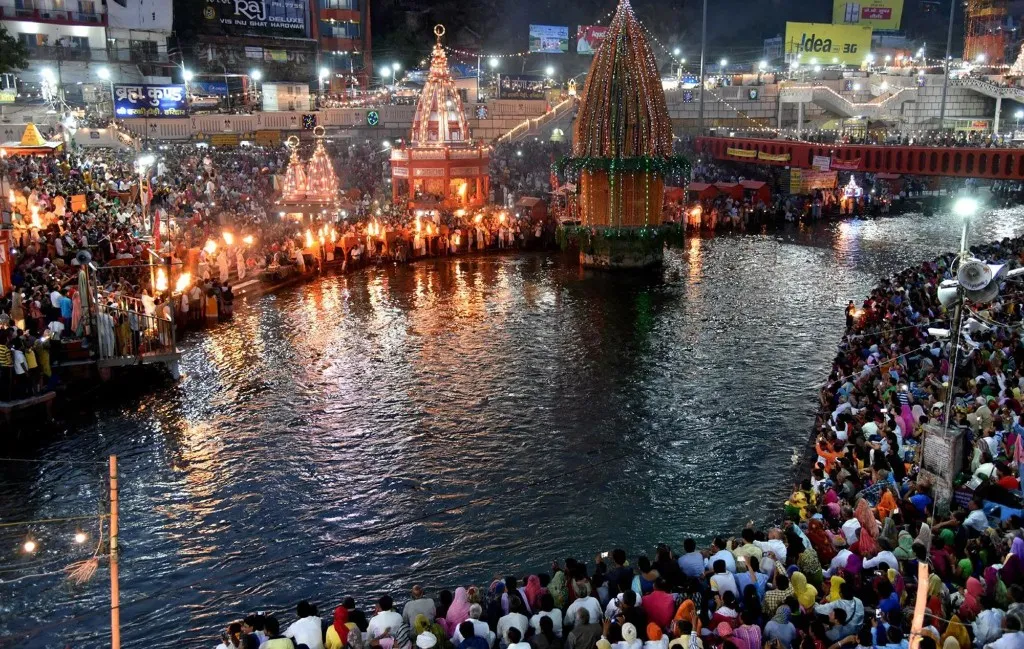
After the dip, families often offer a puja to the river itself: flowers, a diya, kumkum, milk or sweets, with mantras led by the pandit. In Haridwar this is Ganga Pujan, in Nashik Godavari Pujan at Ramkund, and in Ujjain the puja is offered to the Shipra at Ram Ghat. It is simple, beautiful and suitable for every member of the family.
Deep Daan at the Evening Aarti
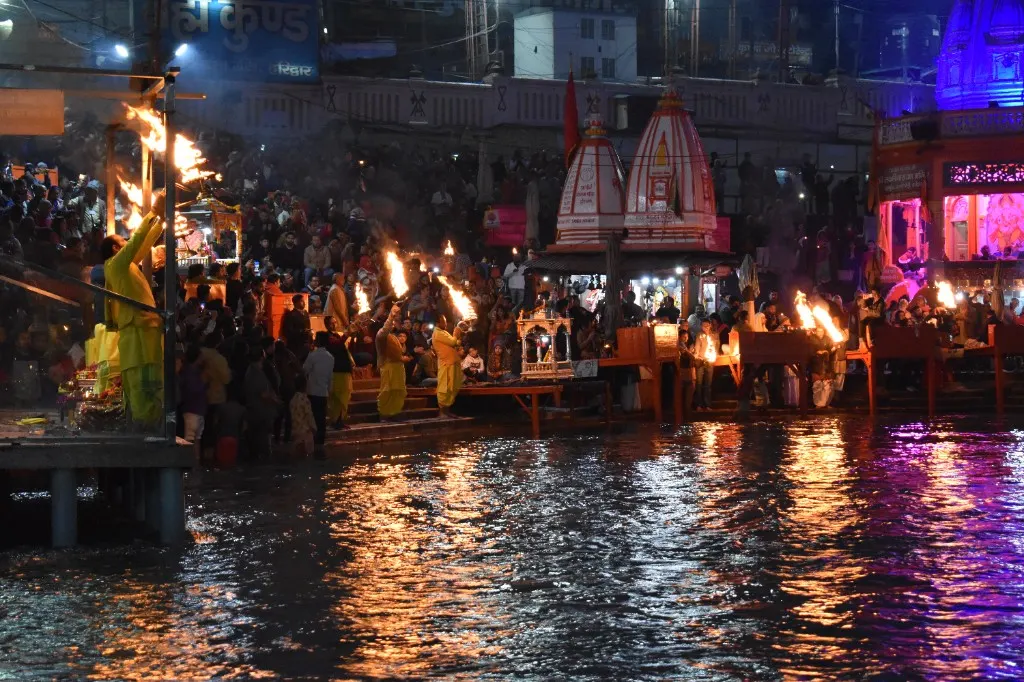
Floating a small leaf boat with a diya and flowers during the evening aarti is one of the most loved moments of any Kumbh visit. It needs no pandit, though many families do it after a short prayer. Buy the leaf boats at the ghat, and release them gently at a point where the current carries them away from the steps.
Pind Daan, Shraddh and Tarpan for Ancestors
Rites for ancestors are among the most important rituals performed at a tirtha. Pind daan offers rice balls (pinds) to the departed; tarpan offers water with sesame and kusha grass; shraddh is the wider ceremony that includes both. They are usually performed by the eldest son or another family member, with a pandit guiding each step, and take one to two hours.
- Haridwar: Kushavarta Ghat and Narayani Shila are traditional places for shraddh and pind daan, and family genealogists (pandas) at Har Ki Pauri keep records going back generations.
- Nashik: Ramkund is a traditional place for asthi visarjan and pind daan.
- Ujjain: Siddhavat, on the Shipra, is traditionally associated with rites for ancestors.
Rudrabhishek and Jyotirlinga Pujas
Two of the four Kumbh cities sit beside Jyotirlingas, which makes an abhishek part of many families' plans.
- Ujjain: Rudrabhishek and darshan at Mahakaleshwar, and the pre-dawn Bhasma Aarti, which must be booked in advance and is very hard to get during the Simhastha. Ujjain Kumbh guide.
- Trimbakeshwar: known for Rudrabhishek as well as rituals such as Narayan Nagbali and Kaal Sarp puja, performed by the temple town's priests. Nashik and Trimbakeshwar guide.
- Haridwar: Rudrabhishek is especially popular on Mahashivratri, which in 2027 is also the first Amrit Snan. Kumbh Mela in Haridwar guide.
Havan, Katha and Grah Shanti
Some families arrange a small havan, a Satyanarayan Katha or a grah shanti puja during their stay, usually at their hotel, ashram or camp rather than on a crowded ghat. These need a little more samagri and time, so mention them when you book your stay.
How to Arrange a Pandit Without Stress
- Book before you travel. On snan days good pandits are fully occupied from before dawn.
- Agree the ritual, timing and dakshina in advance, including whether samagri is included.
- Avoid being rushed at the ghat. Politely decline anyone who insists a ritual must be done immediately or at an unusual price.
- Bring what is personal: the names and gotra of those the ritual is for, and for ancestral rites, the names of the departed.
- Choose a calmer day for long rituals such as pind daan; an Amrit Snan morning is not the time.
We arrange pandits, samagri and muhurat for families staying with us, and can add a ritual to your room or camp booking. Tell us the city, the date and the ritual, and compare the three melas on our Kumbh Mela 2027–2028 page. If the Amrit Snan is part of your plan, read what happens on an Amrit Snan morning first.
FAQs
Can I perform pind daan during the Kumbh Mela?+
Yes. Haridwar, Nashik and Ujjain are all traditional places for ancestral rites. Choose a regular snan day rather than an Amrit Snan, and book a pandit before you travel.
How long does a pind daan take?+
Usually one to two hours, depending on the number of ancestors and the tradition your family follows.
Do I need a pandit for the snan?+
Not for the dip itself. A pandit is needed only if you want a formal sankalp, river puja or other ritual.
Can I book a Bhasma Aarti in Ujjain during the Simhastha?+
It must be booked in advance through the temple, and slots are very limited during the mela. Book as early as bookings open for your date.
Share this article