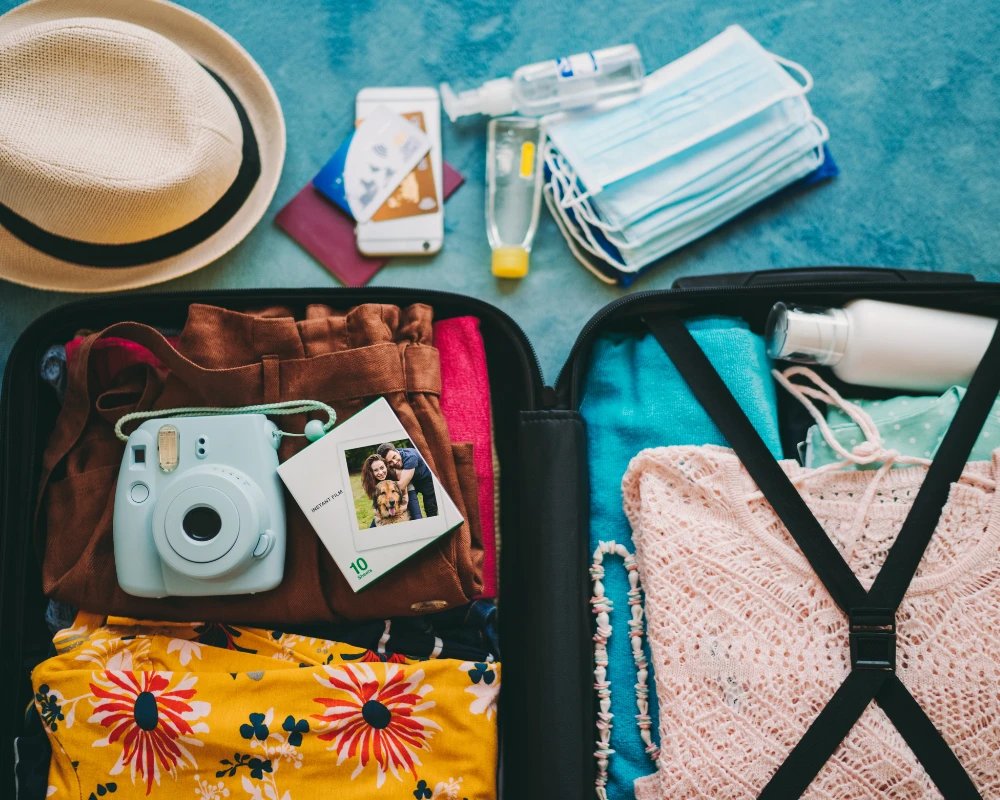
The essential pilgrimage packing list: documents, clothing, footwear, medicines and puja items for a comfortable yatra, with tips for Char Dham and Vaishno Devi.
शुभस्य शीघ्रम्
"What is auspicious should be done without delay."
— Traditional Sanskrit saying
A good pilgrimage packing list is short and practical. Whether you are heading to the Himalayan shrines of the Char Dham, the ghats of Varanasi or the great temples of South India, the right things in your bag make the journey easier and let you focus on darshan instead of on what you left behind.
This guide covers what to carry on a pilgrimage tour in India: documents, clothing, footwear, medicines, puja items and a few extras that depend on where you are going.
Documents and Money
Photo ID: Aadhaar, passport, voter ID or driving licence. Hotels always ask for it, and many temples and yatra checkpoints do too.
Yatra registration: Some pilgrimages cannot be done without it. The Char Dham Yatra needs registration on the Uttarakhand Tourism registration portal, Vaishno Devi needs an RFID yatra card, and Amarnath needs registration and a health certificate.
Bookings: Keep tickets, hotel and darshan bookings on your phone and as printouts. Networks in the hills are unreliable.
Cash in small notes: ATMs and UPI do not work everywhere in the mountains, and small notes are handy for offerings, porters and local transport.
Emergency contacts: Write them on paper as well as saving them on your phone.
Clothing for Temples and Travel
Pack modest clothes that cover your shoulders and knees. They are expected at almost every temple, and some shrines do not let you in without them.
Traditional dress for some temples: Several temples in Kerala and Tamil Nadu ask men to wear a dhoti or veshti and women a saree, and some ask men to remove their shirts. Check the rules before you go.
Layers: Mornings and evenings are cold in the hills, even in summer.
Warm clothes for Himalayan shrines: Kedarnath stands at about 3,583 m. Carry thermals, a fleece or down jacket, a woollen cap and gloves, even in May and June.
Rain gear: A waterproof jacket or poncho for the hills, and an umbrella for the plains.
Light cotton: Best for Varanasi, Ayodhya and South India in the warmer months.
A shawl or stole: Useful for covering your head or shoulders where it is expected, and for cold mornings.
Footwear
Walking shoes with good grip for trekking routes such as Kedarnath, Yamunotri and Vaishno Devi. Break them in before the trip; new shoes cause blisters.
Slip-on sandals for temple visits. You will take your footwear off many times a day.
Socks for cold stone floors in the hills, where they are allowed.
Some temples do not allow leather inside, so a non-leather belt and wallet save a trip back to the cloakroom.
Health and Medicines
Your regular medicines for the whole trip plus a few spare days, with a copy of your prescriptions.
A small first-aid kit: bandages, antiseptic, pain relief, ORS, and medicines for an upset stomach, a cold and motion sickness. Hill roads are winding.
High-altitude caution: If you have heart, lung or blood-pressure problems, see a doctor before a high-altitude yatra such as Kedarnath, Amarnath or Kailash Mansarovar. Climb slowly and drink plenty of water.
Sun protection: Sunscreen, sunglasses, lip balm and a cap. The sun is strong at altitude.
Hygiene: Hand sanitiser, tissues, wet wipes and a small towel.
A reusable water bottle.
Puja Items and Offerings
Most temples sell flowers, prasad and offerings at the gate, and many do not allow items from outside into the sanctum, so there is no need to carry much.
A cloth bag for prasad and offerings.
Small notes for dakshina and donations.
A small sealed container if you want to bring back Ganga jal from Haridwar or Gangotri.
A prayer book or mala, if you use one.
Electronics and Useful Extras
Phone, charger and power bank. Days are long and power cuts happen in the hills.
A torch or headlamp for early-morning starts and night treks.
A small daypack with a rain cover, plus zip-lock bags to keep documents and electronics dry.
Dry snacks such as dry fruit and biscuits for long queues. Several pilgrimage towns, including Haridwar and Rishikesh, do not allow meat or alcohol.
Many major temples do not allow phones, cameras or bags past the security check. On darshan day, carry as little as possible and use the temple cloakroom.
Packing Tips by Destination
Char Dham and Kedarnath
Carry warm layers even in summer, rain gear for the monsoon months, and a trekking pole for the walk to Kedarnath and Yamunotri. Complete your yatra registration before you travel; our Char Dham Yatra guide explains how, along with the routes and the best months. Our Char Dham Yatra from Haridwar includes planning help for all of this.
Vaishno Devi
Wear comfortable walking shoes, carry a light jacket for the night walk, and collect your RFID yatra card at Katra. If you are deciding how to reach the Bhawan, read our guide to the Vaishno Devi trek vs helicopter.
Varanasi, Ayodhya and Prayagraj
Light cotton works for most of the year, but December and January are cold and foggy, so pack warm clothes then. Comfortable sandals make the ghats easier. Our guide to temple tours of India covers this circuit in detail.
South India Temples
Pack traditional clothes for temples with a dress code, light cotton for the heat, and an umbrella for both sun and rain. See our South India temple tour guide for the main temples.
Pilgrimage Packing List at a Glance
Category | What to carry |
Documents | Photo ID, yatra registration, bookings, emergency contacts |
Money | Cash in small notes, a card, UPI as a backup |
Clothing | Modest temple wear, layers, warm clothes for the hills, rain gear |
Footwear | Walking shoes with grip, slip-on sandals, socks |
Health | Regular medicines, first-aid kit, ORS, sunscreen, sanitiser |
Puja | Cloth bag, small notes for dakshina, container for Ganga jal |
Extras | Power bank, torch, daypack with rain cover, dry snacks |
Plan Your Yatra with Teerthayan
Keep this pilgrimage packing list handy as you pack. Packing is easier when the rest of the journey is already arranged, so browse our pilgrimage packages, or contact us and we will help you plan the route, stays and darshan so you can travel with a lighter mind as well as a lighter bag.
Interesting Facts
- A lightweight reusable bottle and oral rehydration salts help more than carrying heavy packaged drinks.
- Layered clothing works better than one heavy jacket for routes with mixed altitude.
- Small waterproof pouches for phone, ID, and cash are often more useful than large backpacks.
Real Pilgrim Notes
- Carry ID copies, medicines, a light rain layer, and modest temple clothing.
- Power cuts and weak networks are common in hill belts; keep a power bank.
- Avoid overpacking and keep one small day-bag for darshan essentials.
FAQs
What should I carry on a pilgrimage tour in India?+
Carry photo ID, any yatra registration you need, modest clothes, comfortable footwear, your regular medicines, a small first-aid kit, cash in small notes and a power bank. Add warm layers and rain gear for Himalayan shrines.
What should I wear when visiting temples in India?+
Wear modest clothes that cover your shoulders and knees. Some temples in Kerala and Tamil Nadu require traditional dress, such as a dhoti for men and a saree for women, so check the rules before you visit.
What should I pack for the Char Dham Yatra?+
Pack thermals, a warm jacket, a cap and gloves even in summer, plus rain gear, trekking shoes and a trekking pole. Carry your yatra registration, ID and regular medicines.
Can I take my phone inside temples?+
Many major temples do not allow phones, cameras or bags beyond the security check. Use the temple cloakroom and carry as little as possible on the day of darshan.
Which documents do I need for a pilgrimage tour?+
Carry a government photo ID and your travel and hotel bookings. Some pilgrimages also need registration, such as the Char Dham Yatra, the Vaishno Devi RFID yatra card and Amarnath registration with a health certificate.
Share this article