How to plan a Pashupatinath and Muktinath yatra in Nepal: the Jomsom flight and road routes, documents for Indian pilgrims, the best season, altitude advice and a sample 7-day itinerary.
By Teerthayan • October 2026
The Pashupatinath and Muktinath yatra joins Nepal's two most sacred shrines: Lord Shiva as Pashupatinath on the Bagmati in Kathmandu, and Lord Vishnu as Muktinath high in the Mustang Himalaya. This guide covers the routes, the documents Indian pilgrims need, the best season, altitude, and a sample 7-day itinerary.
Pashupatinath Temple, Kathmandu
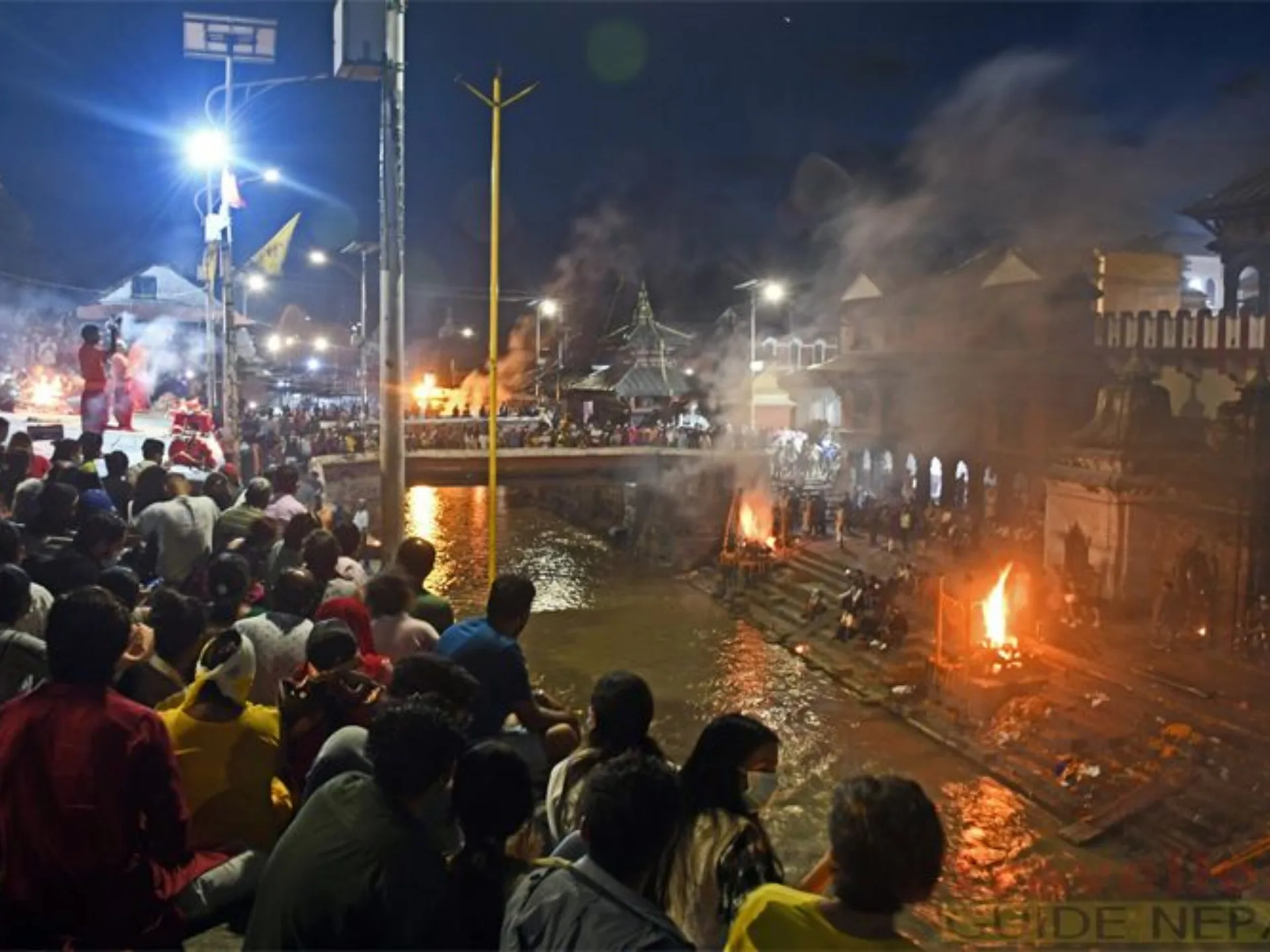
Pashupatinath is Nepal's holiest Shiva temple, on the banks of the Bagmati and a UNESCO World Heritage Site. Only Hindus may enter the main courtyard; the evening Bagmati Aarti on the ghats is open to all. Maha Shivaratri brings hundreds of thousands of devotees and sadhus. Combine it with Guhyeshwari, the Shakti Peeth a short walk away, and Budhanilkantha, the reclining Vishnu north of the city.
Muktinath Temple, Mustang
At about 3,710 m in Lower Mustang, Muktinath is a mukti kshetra, a place of liberation, and one of the 108 Divya Desams of Vishnu. Pilgrims bathe under the 108 water spouts of the Muktidhara and dip in the two kunds before darshan. Next to it, the Jwala Mai temple shelters a natural flame burning beside a spring: fire on water. Buddhists revere the same site as Chumig Gyatsa.
How to reach Muktinath
| Route | Time | Good for |
|---|---|---|
| Kathmandu → Pokhara flight → Jomsom flight → jeep to Muktinath | Pokhara to Muktinath in a morning | Most pilgrims; least time on rough roads |
| Pokhara → Beni → Jomsom → Muktinath by jeep | 8–10 hours each way | When flights are full or grounded |
| Helicopter from Pokhara or Kathmandu | Same-day return | Elderly pilgrims and tight schedules |
| By road from Gorakhpur via the Sunauli border to Pokhara | A long first day, then as above | Pilgrims from eastern Uttar Pradesh and Bihar |
Jomsom flights only operate in the morning and depend entirely on wind and visibility, so always keep a buffer day.
Documents for Indian pilgrims
- Indian citizens do not need a visa for Nepal.
- Carry a valid passport or Election Commission voter ID card. Aadhaar and PAN cards are not accepted as travel documents.
- Children can usually travel with a birth certificate or school ID; carry the original.
- Muktinath lies in the Annapurna Conservation Area, which requires an entry permit (ACAP).
- Check the current rules on carrying Indian currency before you go.
Best time to go
- March to May: clear skies and rhododendrons in bloom. The most popular season.
- September to November: after the monsoon, the clearest mountain views. Dashain and Tihar fall in this season.
- June to August: monsoon. Jomsom flights are frequently cancelled and the road route has landslides.
- December to February: possible snow at Muktinath and very cold mornings, but few crowds.
Altitude and health
Muktinath is about 3,710 m and Jomsom about 2,720 m. Most visitors spend only a few hours at the temple and manage well if they climb the steps from Ranipauwa slowly and drink plenty of water. Anyone with heart, lung or blood-pressure conditions should consult a doctor before the trip. Ponies and porters are available at Ranipauwa for the final climb.
Sample 7-day itinerary
| Day | Plan |
|---|---|
| 1 | Arrive Kathmandu; evening Bagmati Aarti at Pashupatinath |
| 2 | Pashupatinath darshan, Guhyeshwari, Budhanilkantha; fly to Pokhara |
| 3 | Morning flight to Jomsom, jeep to Muktinath; darshan, 108 spouts, Jwala Mai |
| 4 | Return to Jomsom and fly to Pokhara; Bindhyabasini temple, Phewa lake |
| 5 | Buffer day for weather, or Manakamana by cable car on the way back |
| 6 | Kathmandu: Kathmandu Durbar Square, Swayambhunath |
| 7 | Departure |
Our Muktinath Yatra from Kathmandu follows this plan. For a longer trip including Janakpur and Lumbini, see the Nepal Spiritual Circuit. From eastern Uttar Pradesh, the Muktinath Divine Journey from Gorakhpur goes by road. For Pashupatinath alone, see the Pashupatinath Darshan Yatra.
FAQs
What documents do Indians need for Nepal?+
No visa. Carry a valid Indian passport or an Election Commission voter ID card. Children can usually travel with a birth certificate or school ID. Aadhaar and PAN cards are not accepted as travel documents.
How high is Muktinath?+
About 3,710 m. Most visitors stay only a few hours and manage well if they walk slowly; people with heart or lung conditions should consult a doctor first.
What is the best time for the Muktinath yatra?+
March to May and September to November. Jomsom flights are often cancelled in the June–August monsoon, and winter brings snow and very cold mornings.
Can non-Hindus enter Pashupatinath Temple?+
Only Hindus may enter the main temple courtyard. Others can watch from the terraces across the Bagmati river.
How many days are needed for Pashupatinath and Muktinath?+
About 7 days from Kathmandu by flight via Jomsom, with a buffer day for weather. By road from the Indian border it takes 8 to 9 days.
Share this article